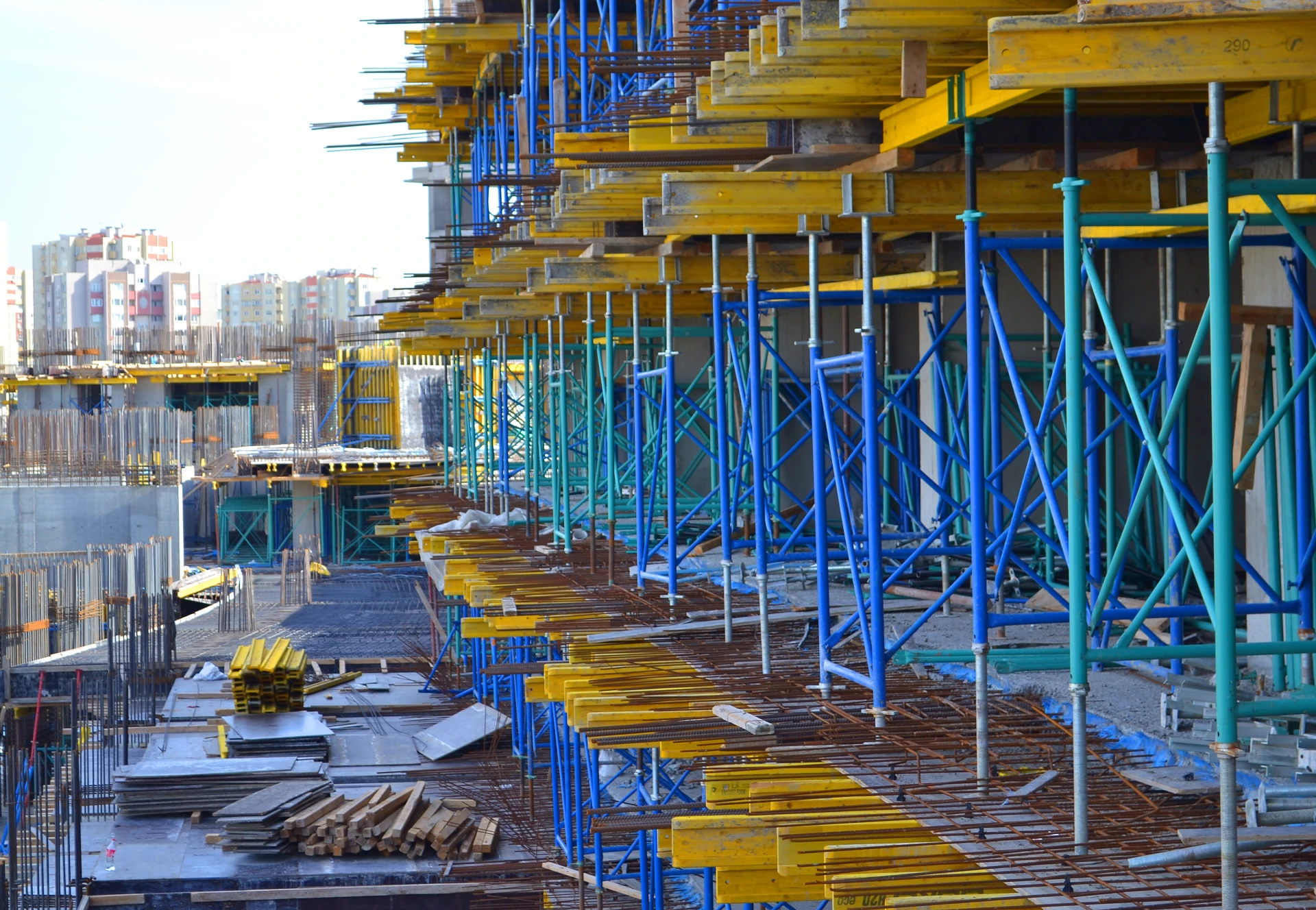

Commercial construction refers to the building and development of structures intended for business purposes, such as offices, shopping centers, hotels, factories, and warehouses. This type of construction typically involves larger-scale projects that are built to support business operations or generate revenue.
Key features of commercial construction include:
Project Scope and Scale: These projects can range from small office buildings to vast retail centers or industrial complexes. They require more complex planning, budgeting, and execution compared to residential construction.
Design and Architecture: Commercial buildings must adhere to zoning laws, building codes, and industry regulations. The design also focuses on functionality, safety, and aesthetic appeal to attract tenants or customers.
Materials and Techniques: Commercial construction often involves durable and cost-effective materials suited for long-term use, such as steel, concrete, glass, and wood. The construction techniques and machinery used also vary based on the type of building.
Budget and Financing: These projects typically involve large-scale financing and may require investors, loans, or partnerships to cover the costs. Commercial properties can take years to complete and generate a return on investment.
Stakeholders: Multiple stakeholders are involved, including architects, engineers, contractors, developers, and local government authorities. Coordination among these groups is crucial for the project's success.
Types of Commercial Construction:
Would you like to dive deeper into any specific area of commercial construction?